Why financing WCAH matters now
investing in women, children and adolescents is one of the smartest choices societies can make. It strengthens health systems, supports economic resilience and protects future generations. Yet progress on maternal, newborn, child and adolescent health remains insufficient and has slowed down. Meanwhile declining ODA, constrained fiscal space, conflict, climate shocks and anti-rights pressure are increasing risks to essential services.
A foundation for healthier societies
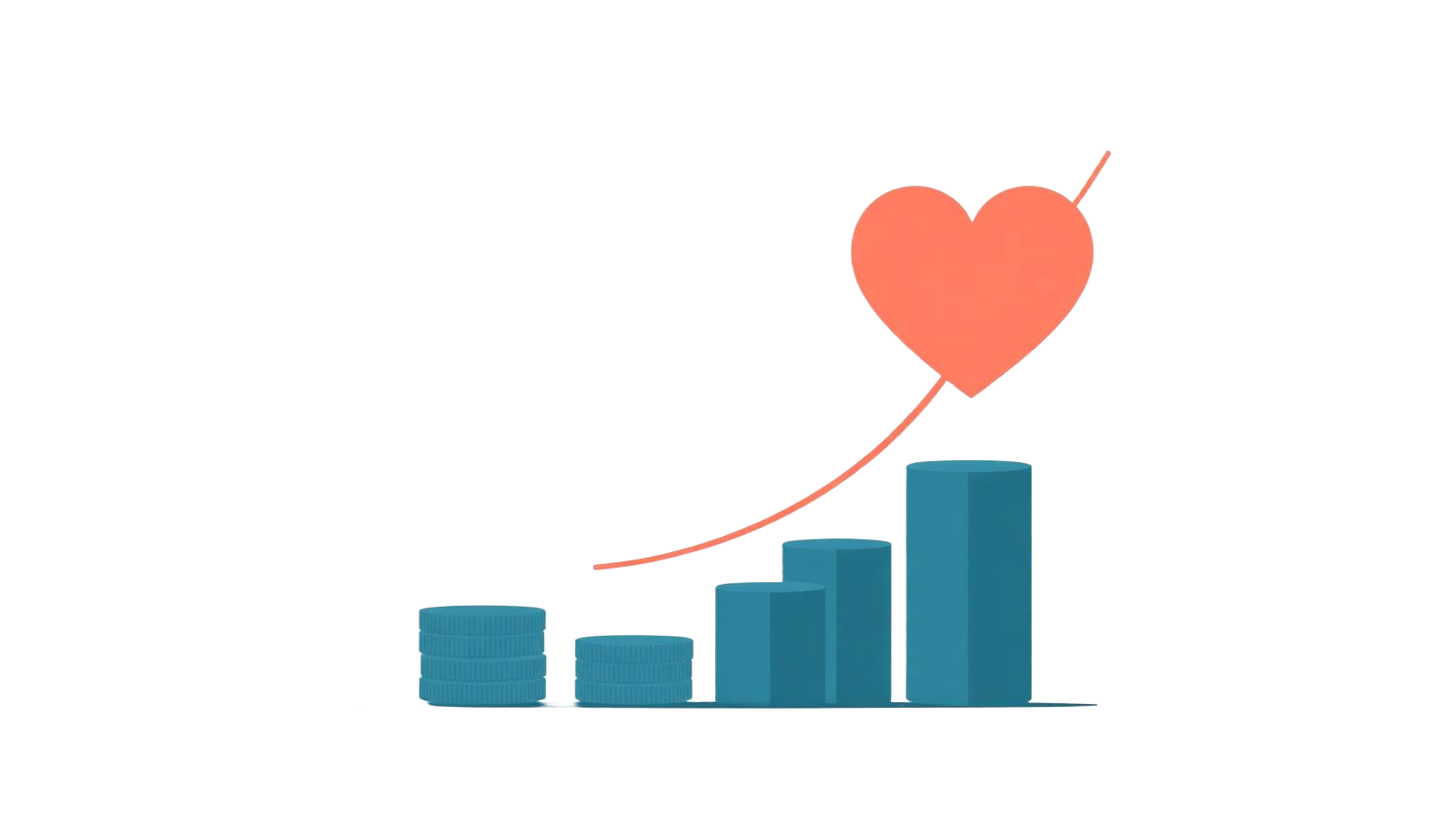
Financing for women's, children's and adolescents' health has ripple effects across communities, economies and generations. Healthy mothers, newborns, children and young people are central to development.
Progress is too slow
Despite decades of effort, progress on maternal, newborn, child and adolescent health has slowed. Many countries are not on track to meet 2030 targets, and inequities within and between countries persist.
Risks are increasing
Declining ODA, constrained fiscal space, debt servicing pressures, conflict, climate shocks and anti-rights pressure are increasing risks to essential services for women, children and adolescents.
More than a health issue
Financing WCAH is an equity, rights, economic and resilience issue. How public resources are raised, allocated and accounted for shapes who can access quality care and who is left behind.
The numbers behind the urgency
women died during or following pregnancy and childbirth in 2020, most from preventable causes.
children died before age five in 2022.
babies were stillborn in 2021.
return for every US$ 1 invested in key RMNCH interventions in high-burden countries.
Data sources: WHO, UNICEF, UN IGME and PMNCH analyses (2020–2022).